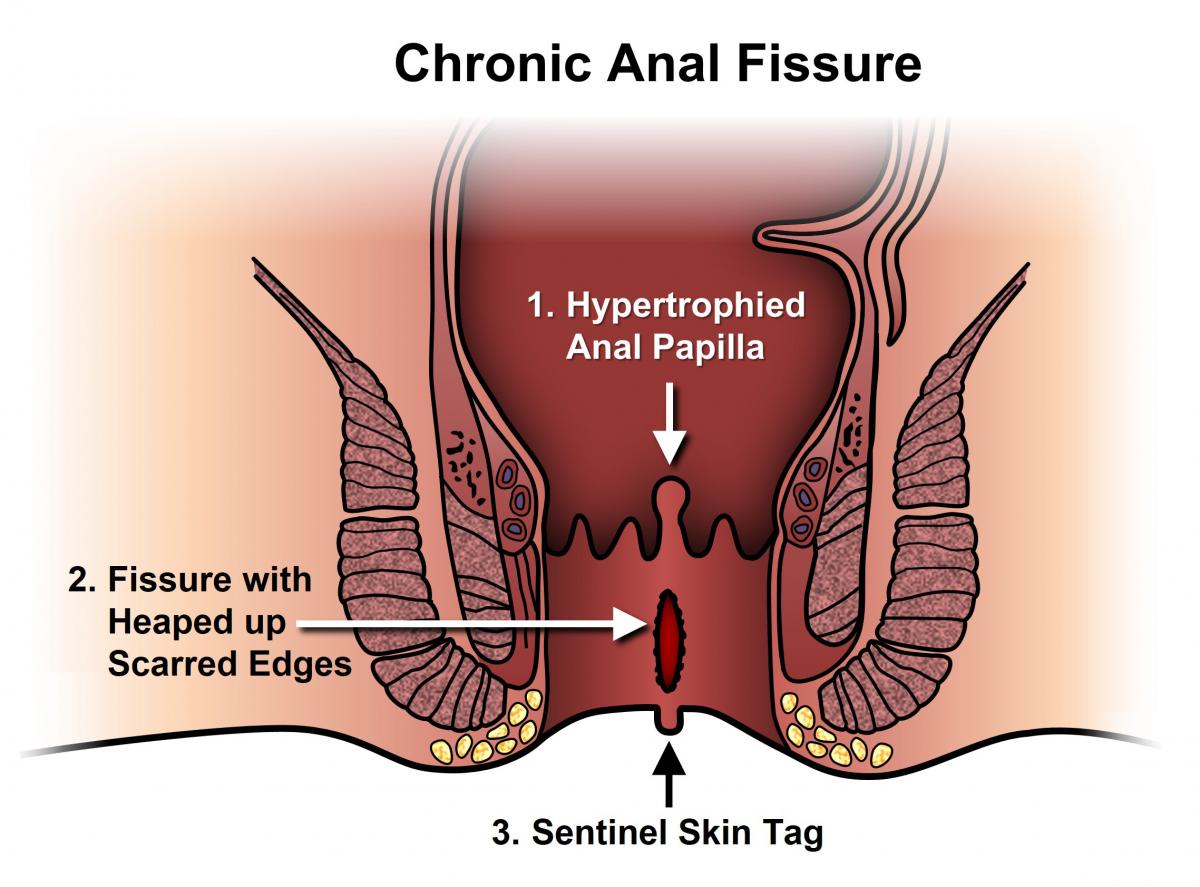
An anal fissure is a common and painful condition affecting the anal canal. It occurs as a small tear or cut in the lining of the anus, often causing severe pain during and after bowel movements. Although it can be distressing, an anal fissure is usually treatable with simple measures when diagnosed early. In some cases, medical or surgical treatment may be required for complete healing.
This article explains everything a patient needs to know about anal fissure, including causes, symptoms, diagnosis, treatment options, prevention, and recovery.
What Is an Anal Fissure?
An anal fissure is a linear tear or crack in the thin tissue lining the anus. This tear exposes the underlying muscle, leading to pain and spasm of the anal sphincter, which can delay healing.
Causes of Anal Fissure
Anal fissures commonly develop due to:
- Passing hard or large stools
- Chronic constipation
- Excessive straining during bowel movements
- Chronic diarrhea
- Childbirth
- Anal trauma or injury
- Inflammatory bowel disease (rare)
Symptoms of Anal Fissure
Common symptoms include:
- Severe pain during bowel movements
- Burning or stinging sensation after passing stools
- Bright red blood on toilet paper or stool
- Spasm or tightness in the anal muscles
- Visible crack near the anus
- Fear of passing stools due to pain
Types of Anal Fissure
1. Acute Anal Fissure
- Present for less than 6 weeks
- Usually heals with conservative treatment
2. Chronic Anal Fissure
- Lasts more than 6 weeks
- May have a skin tag or exposed muscle
- Often requires medical or surgical treatment
Diagnosis of Anal Fissure
Diagnosis is usually made by:
- Medical history and symptom review
- Gentle physical examination
- Proctoscopy (if required)
Additional tests may be done to rule out other conditions if symptoms are unusual.
Treatment Options for Anal Fissure
1. Conservative (Non-Surgical) Treatment
Most acute fissures heal with simple measures:
- High-fiber diet
- Drinking plenty of fluids
- Stool softeners
- Warm sitz baths
- Topical medications to reduce pain and muscle spasm
2. Medical Treatment
For chronic fissures, doctors may prescribe:
- Nitroglycerin ointment
- Calcium channel blocker creams
- Pain-relief medications
These help relax the anal sphincter and improve blood flow for healing.
3. Minimally Invasive Procedures
If conservative treatment fails:
- Botulinum toxin (Botox) injection
- Laser treatment for anal fissure
These options reduce muscle spasm and promote healing.
4. Surgical Treatment
For persistent or severe fissures:
- Lateral Internal Sphincterotomy (LIS) – the gold standard surgery
This procedure involves cutting a small portion of the anal sphincter muscle to reduce spasm and allow healing.
Recovery After Anal Fissure Treatment
- Most patients experience relief within days
- Complete healing may take a few weeks
- Pain reduces significantly after surgery
- Normal activities can usually be resumed quickly
- Proper diet and hydration are essential
Possible Complications
If left untreated, anal fissures can lead to:
- Chronic pain
- Infection
- Abscess formation
- Recurrence
Surgical complications are rare when performed by experienced surgeons.
Prevention of Anal Fissure
Preventive measures include:
- Eating a fiber-rich diet
- Drinking adequate water
- Avoiding constipation and straining
- Responding promptly to bowel urges
- Maintaining good anal hygiene
- Regular physical activity
When to See a Doctor
Contact Us if you experience:
- Severe or persistent anal pain
- Bleeding during bowel movements
- No improvement after home treatment
- Recurrent fissures