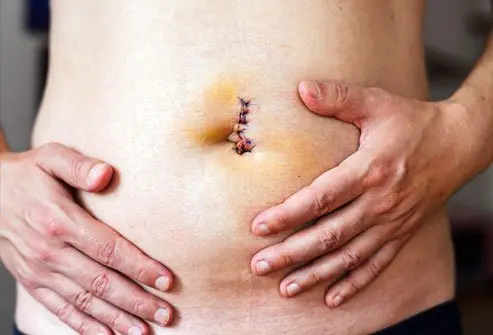
An umbilical hernia is a condition in which a part of the intestine or abdominal tissue protrudes through a weak spot in the abdominal wall near the navel (belly button). While umbilical hernias are common in infants, they can also affect adults and may increase in size over time. Laparoscopic Umbilical Hernia Repair is a modern, minimally invasive surgical technique used to repair this condition safely and effectively.
What Is an Umbilical Hernia?
An umbilical hernia occurs when abdominal contents push through a weakness in the abdominal muscles around the umbilicus. In adults, the hernia does not heal on its own and usually requires surgery to prevent complications.
Causes and Risk Factors
Umbilical hernias in adults may develop due to:
- Weak abdominal muscles
- Obesity
- Pregnancy or multiple pregnancies
- Chronic coughing
- Ascites (fluid in the abdomen)
- Heavy lifting
- Previous abdominal surgery
Symptoms of Umbilical Hernia
Common symptoms include:
- A bulge or swelling near the navel
- Pain or discomfort, especially while coughing or lifting
- Feeling of pressure at the belly button
- Redness or tenderness over the hernia
- In severe cases, nausea or vomiting
Urgent medical attention is needed if the hernia becomes painful, hard, or irreducible.
What Is Laparoscopic Umbilical Hernia Repair?
Laparoscopic umbilical hernia repair is a minimally invasive procedure that uses small incisions, a camera (laparoscope), and surgical instruments to repair the hernia. A synthetic mesh is usually placed to strengthen the abdominal wall and reduce the risk of recurrence.
Benefits of Laparoscopic Umbilical Hernia Repair
Compared to open surgery, laparoscopic repair offers:
- Smaller incisions and minimal scarring
- Less postoperative pain
- Lower risk of wound infection
- Shorter hospital stay (often day-care surgery)
- Faster recovery
- Early return to work and daily activities
- Better cosmetic results
Who Needs Surgery?
Surgery is recommended when:
- The hernia is increasing in size
- Pain or discomfort is present
- There is risk of strangulation
- Cosmetic concerns affect quality of life
- Complications develop
Your surgeon will advise the best treatment based on hernia size and health status.
Preparation Before Surgery
Before laparoscopic umbilical hernia surgery, patients may be advised to:
- Undergo blood tests and imaging
- Attend pre-anesthesia evaluation
- Stop certain medications if advised
- Fast for 6–8 hours before surgery
- Manage chronic conditions like diabetes or hypertension
What Happens During the Procedure?
The surgery is performed under general anesthesia and typically involves:
- Making 2–3 small incisions in the abdomen.
- Inflating the abdomen with carbon dioxide gas.
- Inserting a laparoscope and surgical instruments.
- Reducing the hernia contents.
- Placing a mesh over the weakened area.
- Securing the mesh and closing the incisions.
The procedure usually takes 30–90 minutes.
Recovery After Laparoscopic Umbilical Hernia Repair
Most patients recover quickly and can expect:
- Mild pain or discomfort for a few days
- Walking on the same day or next day
- Discharge within 24 hours
- Return to work within a week
Heavy lifting should be avoided for 4–6 weeks.
Possible Risks and Complications
Although safe, potential risks include:
- Bleeding
- Infection
- Seroma (fluid collection)
- Mesh-related complications (rare)
- Recurrence of hernia
- Reaction to anesthesia
These risks are minimized when surgery is performed by an experienced surgeon.
Life After Umbilical Hernia Surgery
After recovery, most patients experience complete relief from symptoms. Maintaining a healthy weight, avoiding heavy strain, and following post-surgical advice help prevent recurrence.
When to Consult a Doctor
Seek medical attention if you notice:
- Increasing pain or swelling
- Fever or chills
- Redness or discharge from incision sites
- Vomiting or inability to pass stools