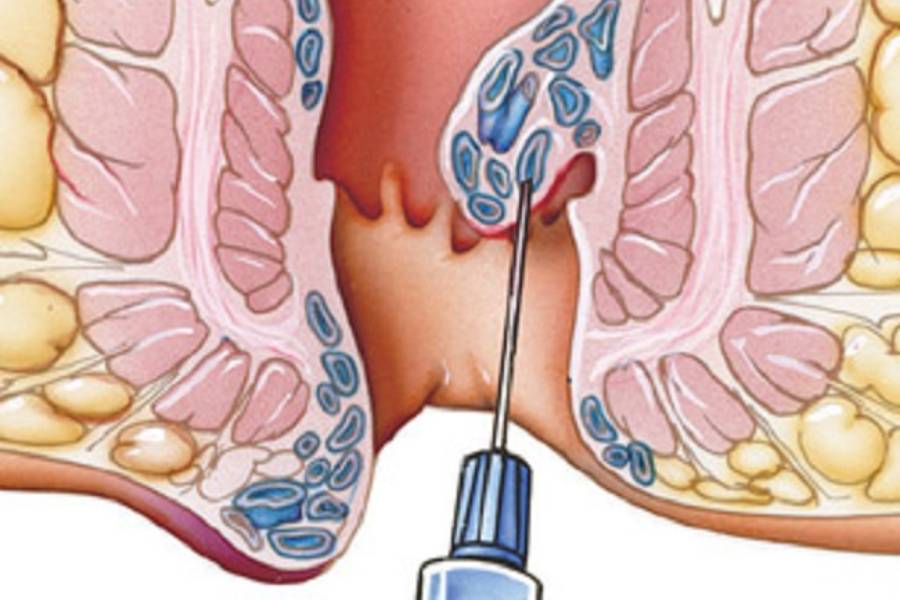
Laser anorectal surgery is a modern, minimally invasive treatment option for various diseases of the anal and rectal region. Conditions such as piles (hemorrhoids), anal fissure, fistula in ano, and pilonidal sinus can cause significant pain, bleeding, and discomfort, affecting daily life and quality of health. Laser technology has transformed the treatment of these conditions by offering precise, safe, and effective solutions with minimal pain and faster recovery.
This article provides a comprehensive overview of laser anorectal surgery, including its uses, benefits, procedure, recovery, risks, and suitability for patients.
What Is Laser Anorectal Surgery?
Laser anorectal surgery uses a high-energy laser beam delivered through a thin fiber to treat diseases of the anus and rectum. The laser precisely targets the affected tissue while preserving healthy surrounding structures. This approach minimizes trauma, bleeding, and postoperative pain.
Conditions Treated with Laser Anorectal Surgery
Laser anorectal surgery is commonly used to treat:
- Piles (Hemorrhoids) – Laser energy shrinks hemorrhoidal tissue by sealing the blood supply, reducing bleeding and prolapse.
- Anal Fissure – Laser treatment helps relax the internal anal sphincter and promotes faster healing of chronic fissures.
- Fistula in Ano – Laser fistula closure (FiLaC) destroys the fistula tract from inside without cutting sphincter muscles.
- Pilonidal Sinus – Laser ablation removes hair and infected tissue, leading to quicker healing and lower recurrence.
Advantages of Laser Anorectal Surgery
Compared to conventional surgery, laser anorectal procedures offer:
- Minimal pain after surgery
- Very little bleeding
- No large cuts or stitches
- Preservation of anal sphincter muscles
- Faster wound healing
- Short hospital stay (day-care procedure)
- Quick return to work and daily activities
- Reduced risk of infection
- Better patient comfort and satisfaction
Who Is a Suitable Candidate?
Laser anorectal surgery is suitable for patients who:
- Have early to moderate disease
- Suffer from recurrent anorectal problems
- Have not responded to medical treatment
- Want faster recovery with minimal downtime
- Are medically fit for anesthesia
Final suitability depends on clinical evaluation and disease complexity.
How Is Laser Anorectal Surgery Performed?
Preoperative Preparation
- Detailed medical evaluation
- Diagnostic tests such as proctoscopy or MRI (for fistula)
- Bowel preparation if advised
- Fasting before anesthesia
During the Procedure
- Performed under local, spinal, or general anesthesia
- A laser fiber is inserted into the affected area
- Laser energy seals blood vessels or ablates diseased tissue
- Surrounding healthy tissue remains unaffected
The procedure typically takes 20–45 minutes, depending on the condition.
Recovery After Laser Anorectal Surgery
Recovery is usually quick and smooth:
- Mild discomfort for a few days
- Minimal need for pain medications
- Return to daily activities within 1–3 days
- Minimal wound care
- Normal bowel movements resume early
- Most patients are discharged on the same day
Postoperative Care and Lifestyle Advice
- Maintain high-fiber diet to avoid constipation
- Drink plenty of water
- Avoid straining during bowel movements
- Maintain good anal hygiene
- Follow prescribed medications
- Attend scheduled follow-ups
Possible Risks and Complications
Laser anorectal surgery is safe, but potential risks include:
- Mild pain or swelling
- Temporary discharge
- Rare bleeding
- Rare recurrence of disease
- Infection (uncommon)
Serious complications are extremely rare when performed by experienced surgeons.
Laser Surgery vs Conventional Surgery
| Feature | Laser Surgery | Conventional Surgery |
|---|---|---|
| Pain | Minimal | More |
| Bleeding | Very less | More |
| Hospital stay | Day-care | Longer |
| Recovery | Fast | Slow |
| Scarring | Minimal | More |
Success Rate of Laser Anorectal Surgery
Laser procedures have high success rates and patient satisfaction when:
- Proper case selection is done
- Surgery is performed by trained colorectal surgeons
- Postoperative advice is followed
When to Consult a Doctor
Seek medical attention if you experience:
- Rectal bleeding
- Persistent anal pain
- Discharge or swelling around the anus
- Recurrent anorectal problems
- Symptoms not improving with medication
Early diagnosis ensures better outcomes and avoids complications.