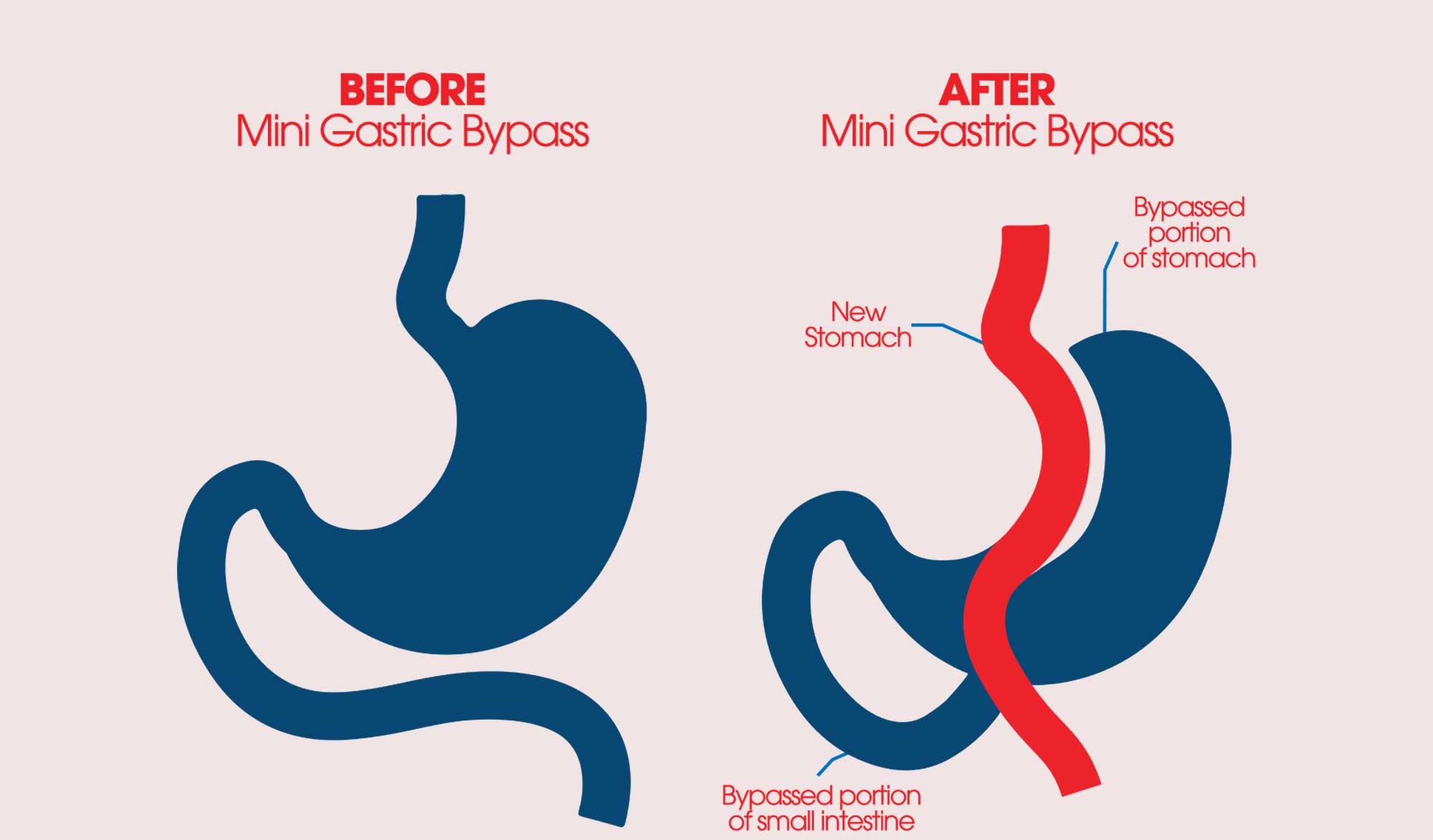
Mini Gastric Bypass, also known as One Anastomosis Gastric Bypass (OAGB), is a highly effective bariatric (weight-loss) surgery designed to help individuals with severe obesity achieve significant and long-term weight loss. It combines restriction of food intake with reduced calorie absorption, leading to excellent weight loss and improvement in obesity-related diseases.
This article explains everything a patient needs to know about Mini Gastric Bypass, including how it works, benefits, procedure details, recovery, risks, and life after surgery.
What Is Mini Gastric Bypass (OAGB)?
Mini Gastric Bypass is a laparoscopic weight-loss surgery in which a long, narrow stomach pouch is created and directly connected to a loop of the small intestine. Unlike the traditional Roux-en-Y gastric bypass, OAGB requires only one surgical connection (anastomosis), making the procedure simpler and faster.
How Does Mini Gastric Bypass Work?
Mini Gastric Bypass promotes weight loss through three main mechanisms:
- Restriction – The smaller stomach pouch limits the amount of food consumed.
- Malabsorption – Bypassing a portion of the small intestine reduces calorie absorption.
- Hormonal Changes – Alters gut hormones, reducing hunger and improving blood sugar control.
Who Is a Candidate for Mini Gastric Bypass?
Mini Gastric Bypass may be recommended for patients who:
- Have a BMI ≥ 40
- Have a BMI ≥ 35 with obesity-related conditions, such as:
- Type 2 diabetes
- Hypertension
- Sleep apnea
- Fatty liver disease
- Have not achieved sustained weight loss with diet and exercise
- Are suitable for surgery after medical evaluation
It is especially beneficial for patients with poorly controlled diabetes.
Benefits of Mini Gastric Bypass
Mini Gastric Bypass offers several advantages:
- Significant and rapid weight loss
- Excellent control or remission of type 2 diabetes
- Shorter operative time compared to traditional gastric bypass
- Single intestinal connection
- Less surgical complexity
- Long-term weight maintenance
- Improvement in quality of life
Preparation Before Surgery
Before surgery, patients typically undergo:
- Medical and surgical evaluation
- Blood tests and imaging studies
- Nutritional and psychological counseling
- Pre-operative diet (usually high-protein, low-calorie)
- Anesthesia assessment
Smoking cessation and weight reduction before surgery are strongly advised.
The Mini Gastric Bypass Procedure
The surgery is performed using a laparoscopic (keyhole) approach under general anesthesia.
Steps of the Procedure:
- Small incisions are made in the abdomen.
- A long, narrow gastric pouch is created.
- A loop of small intestine is connected to the stomach pouch.
- The bypassed intestine reduces calorie absorption.
- Incisions are closed.
The procedure usually takes 60–120 minutes.
Recovery After Mini Gastric Bypass
Recovery is generally smooth and includes:
- Hospital stay of 1–2 days
- Walking on the day of surgery
- Gradual diet progression from liquids to solids
- Return to daily activities within 2–3 weeks
- Regular follow-up visits
Diet After Mini Gastric Bypass
Post-surgery diet is crucial for success and typically includes:
- Liquid Diet – First 1–2 weeks
- Pureed Foods – Next phase
- Soft Foods – Gradual introduction
- Solid Foods – Long-term balanced diet
High-protein intake and avoidance of sugary and fatty foods are essential.
Expected Weight Loss
Patients typically lose 65–80% of excess body weight within 12–18 months after Mini Gastric Bypass. Long-term success depends on diet adherence, exercise, and lifestyle changes.
Possible Risks and Complications
Mini Gastric Bypass is safe but may carry some risks, including:
- Bleeding
- Infection
- Anastomotic leak (rare)
- Nutritional deficiencies
- Bile reflux (in selected cases)
- Dumping syndrome
Lifelong vitamin and mineral supplementation is essential.
Life After Mini Gastric Bypass
After surgery, patients must commit to:
- Healthy eating habits
- Regular physical activity
- Lifelong vitamin supplementation
- Routine medical follow-ups
Most patients experience improved energy, mobility, and overall health.
When to Consult a Doctor
Contact Us if you experience:
- Persistent vomiting
- Severe abdominal pain
- Signs of dehydration
- Dizziness or weakness
- Difficulty eating