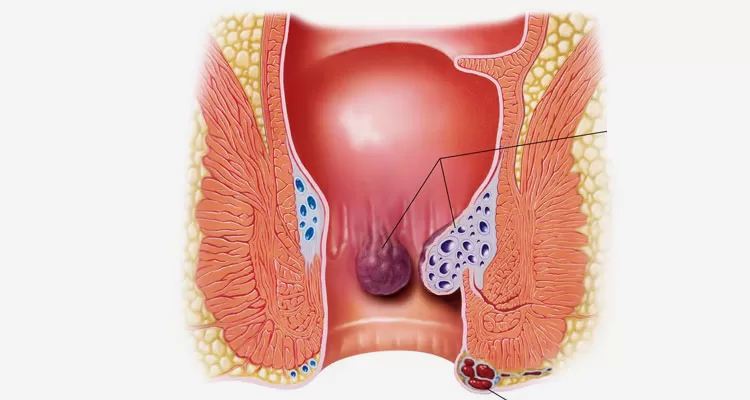
Piles, also known as hemorrhoids, are a common medical condition affecting the anal canal and rectum. They occur when veins in the lower rectum or anus become swollen and inflamed. Although piles can cause discomfort and embarrassment, they are usually not serious and can be effectively treated with lifestyle changes, medications, or minimally invasive procedures.
This article covers everything a patient needs to know about piles, including causes, symptoms, types, diagnosis, treatment options, prevention, and when to seek medical help.
What Are Piles (Hemorrhoids)?
Piles are swollen blood vessels located in or around the anus and rectum. Everyone has hemorrhoidal tissue that helps control bowel movements, but piles develop when these veins become enlarged and symptomatic.
Types of Piles
1. Internal Piles
- Develop inside the rectum
- Usually painless
- May cause bleeding during bowel movements
2. External Piles
- Occur under the skin around the anus
- Can cause pain, itching, and swelling
3. Thrombosed Piles
- External piles with a blood clot
- Very painful and swollen
Causes and Risk Factors
Common causes of piles include:
- Chronic constipation or diarrhea
- Straining during bowel movements
- Prolonged sitting on the toilet
- Low-fiber diet
- Obesity
- Pregnancy
- Heavy lifting
- Aging
Symptoms of Piles
Symptoms depend on the type and severity of piles and may include:
- Bright red blood during or after passing stools
- Pain or discomfort in the anal area
- Itching or irritation
- Swelling or lump near the anus
- Mucus discharge
- Feeling of incomplete bowel evacuation
Seek medical attention if bleeding is persistent or severe.
Diagnosis of Piles
Piles are usually diagnosed through:
- Medical history and physical examination
- Digital rectal examination
- Proctoscopy or sigmoidoscopy (if required)
These tests help rule out other causes of rectal bleeding.
Treatment Options for Piles
1. Lifestyle and Dietary Changes
For mild piles, conservative treatment is effective:
- Increase fiber intake (fruits, vegetables, whole grains)
- Drink plenty of water
- Avoid straining during bowel movements
- Regular physical activity
- Avoid prolonged sitting
2. Medications
Doctors may prescribe:
- Topical creams or ointments
- Suppositories
- Pain relievers
- Stool softeners
3. Minimally Invasive Procedures
For moderate piles:
- Rubber Band Ligation
- Injection Sclerotherapy
- Infrared Coagulation
- Laser Treatment for Piles
These procedures are usually done as day-care treatments.
4. Surgical Treatment
For severe or recurrent piles:
- Hemorrhoidectomy (removal of piles)
- Stapled Hemorrhoidopexy
- Laser Piles Surgery
Surgery is recommended when other treatments fail.
Recovery After Piles Treatment
Recovery depends on the type of treatment:
- Conservative and minimally invasive treatments allow quick recovery
- Surgical treatment may require 1–2 weeks of rest
- Pain is managed with medications
- High-fiber diet and hydration are essential during recovery
Possible Complications
If left untreated, piles may lead to:
- Anemia due to chronic blood loss
- Thrombosis
- Infection
- Severe pain and swelling
Prevention of Piles
Piles can often be prevented by:
- Eating a high-fiber diet
- Staying well hydrated
- Avoiding straining
- Maintaining a healthy weight
- Regular exercise
- Responding promptly to the urge to pass stools
When to Consult a Doctor
Consult Us if you experience:
- Persistent rectal bleeding
- Severe pain or swelling
- Change in bowel habits
- Blood mixed with stools
- No improvement with home treatment