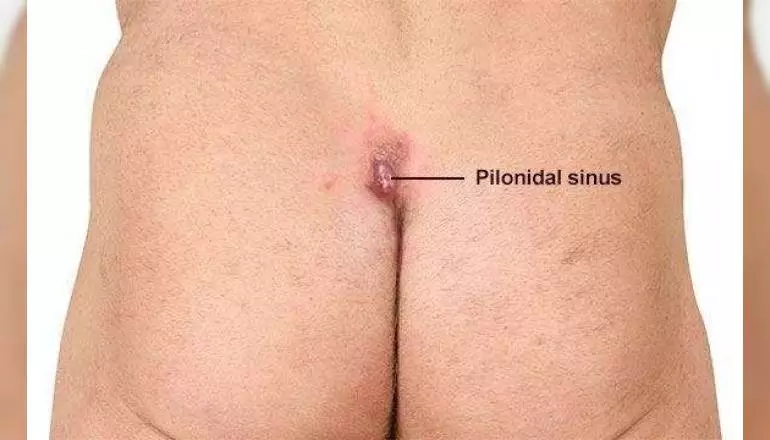
Pilonidal sinus is a chronic skin condition that usually develops in the cleft between the buttocks, just above the tailbone (coccyx). It commonly affects young adults and can cause pain, swelling, and recurrent discharge. Although it is not a life-threatening condition, pilonidal sinus can significantly affect daily life if left untreated. With early diagnosis and appropriate treatment, complete recovery is possible.
This article explains everything a patient needs to know about pilonidal sinus, including causes, symptoms, diagnosis, treatment options, recovery, and prevention.
What Is Pilonidal Sinus?
A pilonidal sinus is a small tunnel or cavity in the skin that often contains hair, debris, and infected tissue. It can become infected repeatedly, leading to pain and pus discharge. In some cases, it may develop into an abscess.
Causes of Pilonidal Sinus
The exact cause is not fully understood, but common contributing factors include:
- Loose hair penetrating the skin
- Prolonged sitting
- Excessive sweating
- Poor hygiene
- Friction in the buttock cleft
- Obesity
- Family history
- Thick or coarse body hair
Symptoms of Pilonidal Sinus
Symptoms may vary depending on infection and severity, including:
- Pain or tenderness near the tailbone
- Swelling or redness in the buttock cleft
- Discharge of pus or blood
- Foul smell from the affected area
- Fever in case of abscess formation
- Difficulty sitting or walking comfortably
Types of Pilonidal Disease
- Acute Pilonidal Abscess – sudden painful swelling with infection
- Chronic Pilonidal Sinus – recurrent discharge and non-healing sinus
- Recurrent Pilonidal Disease – returns after previous treatment
Diagnosis of Pilonidal Sinus
Diagnosis is usually based on:
- Medical history
- Physical examination of the affected area
- Imaging tests are rarely needed unless complications are suspected
Treatment Options for Pilonidal Sinus
1. Conservative Treatment
For mild cases:
- Proper hygiene
- Hair removal
- Antibiotics (if infection is present)
- Sitz baths
Conservative treatment rarely cures chronic pilonidal sinus.
2. Incision and Drainage
For acute abscess:
- Pus is drained under local anesthesia
- Provides quick pain relief
- Does not cure the underlying sinus
3. Surgical Treatment
Surgery is the definitive treatment for chronic or recurrent pilonidal sinus.
a. Excision and Healing by Secondary Intention
- Sinus is removed
- Wound left open to heal naturally
b. Excision with Primary Closure
- Wound is closed after sinus removal
- Faster healing but higher recurrence risk
c. Flap Procedures
- Advanced techniques for complex or recurrent cases
- Reduced recurrence rates
d. Laser Treatment for Pilonidal Sinus
- Minimally invasive
- Less pain and faster recovery
- Day-care procedure
Recovery After Pilonidal Sinus Surgery
Recovery depends on the procedure performed:
- Mild pain managed with medications
- Regular wound care and dressing
- Return to daily activities in 1–2 weeks
- Complete healing may take a few weeks
- Avoid prolonged sitting during early recovery
Possible Complications
If untreated, pilonidal sinus may lead to:
- Recurrent abscesses
- Chronic infection
- Multiple sinus tracts
- Rare risk of skin cancer (long-standing cases)
Prevention of Pilonidal Sinus
Preventive measures include:
- Maintaining good hygiene
- Regular hair removal in the affected area
- Avoiding prolonged sitting
- Wearing loose clothing
- Maintaining healthy body weight
- Keeping the area clean and dry
When to See a Doctor
Contact us if you experience:
- Pain or swelling near the tailbone
- Persistent or foul-smelling discharge
- Fever with local symptoms
- Recurrence after previous treatment
Early medical attention improves outcomes and reduces complications.