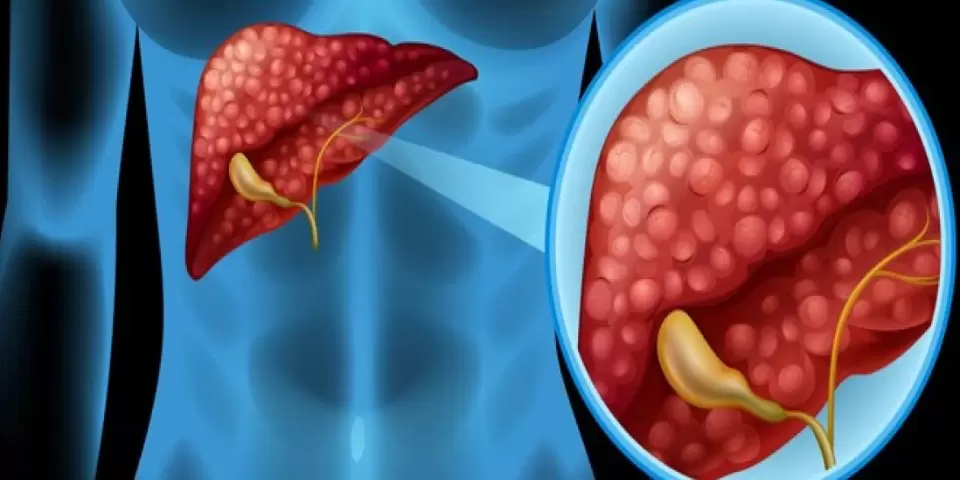
A hydatid cyst is a parasitic disease caused by the larval stage of a tapeworm called Echinococcus. This condition mainly affects the liver and lungs but can involve almost any organ in the body. Hydatid disease is more common in areas where livestock farming is practiced and where humans live in close contact with dogs.
Early diagnosis and proper treatment are essential to prevent serious complications. This article explains everything a patient needs to know about hydatid cysts, including causes, symptoms, diagnosis, treatment, recovery, and prevention.
What Is a Hydatid Cyst?
A hydatid cyst is a fluid-filled sac formed by the larvae of the Echinococcus tapeworm inside the human body. Humans are accidental hosts and become infected by ingesting the parasite's eggs, usually through contaminated food, water, or direct contact with infected dogs.
Once inside the body, the eggs hatch and travel through the bloodstream to organs where they slowly develop into cysts. These cysts can grow over months or years.
Common Sites of Hydatid Cysts
Hydatid cysts can occur in many organs, but the most commonly affected sites include:
- Liver (60–70%)
- Lungs (20–30%)
- Spleen
- Kidneys
- Brain
- Bones
- Heart
The symptoms depend on the size, number, and location of the cysts.
Causes and Risk Factors
Hydatid disease is caused by infection with Echinococcus granulosus. Risk factors include:
- Close contact with dogs
- Poor hand hygiene
- Consuming contaminated food or water
- Living in rural or farming areas
- Handling livestock such as sheep or cattle
- Poor sanitation practices
The disease is not transmitted directly from person to person.
Symptoms of Hydatid Cyst
Hydatid cysts often grow slowly and may remain asymptomatic for years. When symptoms appear, they may include:
Liver Hydatid Cyst
- Pain or fullness in the right upper abdomen
- Nausea and vomiting
- Jaundice (yellowing of skin and eyes)
- Fever (if infected)
Lung Hydatid Cyst
- Chronic cough
- Chest pain
- Shortness of breath
- Coughing up blood (rare)
Other Organs
- Headaches or seizures (brain involvement)
- Bone pain or fractures
- Urinary problems (kidney involvement)
Sudden rupture of a cyst can cause severe allergic reactions or anaphylaxis, which is a medical emergency.
How Is Hydatid Cyst Diagnosed?
Diagnosis is based on a combination of clinical evaluation and investigations, including:
- Ultrasound (commonly used for liver cysts)
- CT scan or MRI
- Chest X-ray (for lung cysts)
- Blood tests (serological tests)
- Liver function tests
Imaging studies help determine the size, location, and stage of the cyst.
Treatment Options for Hydatid Cyst
The choice of treatment depends on the cyst size, location, number, and patient's health.
Medical Treatment
Antiparasitic medications such as Albendazole or Mebendazole are used:
- For small cysts
- Before and after surgery
- When surgery is not possible
Medical therapy alone may not cure large or complicated cysts.
Surgical Treatment
Surgery is the most effective treatment for large, symptomatic, or complicated hydatid cysts. Types of surgery include:
- Open surgery
- Laparoscopic (minimally invasive) surgery
The surgeon removes the cyst carefully to prevent spillage, which can cause recurrence or allergic reactions.
PAIR Technique
PAIR stands for Puncture, Aspiration, Injection, and Re-aspiration. It is a minimally invasive procedure used in selected cases, usually under imaging guidance.
Benefits of Laparoscopic Surgery
Laparoscopic surgery for hydatid cysts offers:
- Smaller incisions
- Less pain
- Shorter hospital stay
- Faster recovery
- Lower infection risk
- Better cosmetic results
Not all cysts are suitable for laparoscopic removal.
Recovery After Treatment
Recovery depends on the type of treatment:
- Hospital stay may range from a few days to a week
- Gradual return to normal activities
- Regular follow-up imaging
- Continued medication as prescribed
- Avoid heavy physical activity initially
Long-term monitoring is important to detect recurrence.
Possible Complications
If untreated or improperly managed, hydatid cysts can lead to:
- Cyst rupture
- Severe allergic reactions
- Infection of the cyst
- Spread of disease to other organs
- Organ dysfunction
Prompt treatment significantly reduces these risks.
Prevention of Hydatid Disease
Hydatid disease can be prevented by:
- Washing hands thoroughly with soap
- Avoiding consumption of contaminated food and water
- Proper cooking of food
- Regular deworming of dogs
- Avoiding contact with stray dogs
- Educating communities in endemic areas
Public health awareness plays a key role in prevention.
When to Consult a Doctor
Contact Us if you experience:
- Persistent abdominal pain or swelling
- Chronic cough or chest pain
- Unexplained fever
- History of exposure to dogs or livestock with symptoms
Early diagnosis leads to better outcomes.