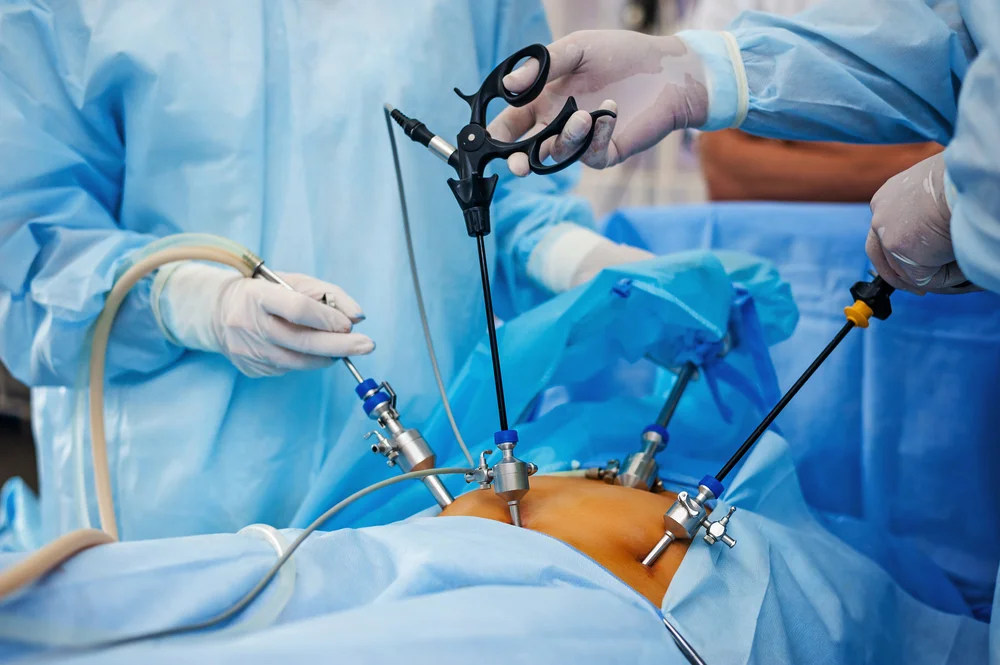
Laparoscopic Gastrointestinal (GI) Surgery is a modern, minimally invasive surgical technique used to diagnose and treat a wide range of digestive system disorders. Compared to traditional open surgery, laparoscopic GI surgery offers faster recovery, less pain, smaller scars, and better overall outcomes. This advanced approach has transformed the way gastrointestinal surgeries are performed and is now considered the standard of care for many GI conditions.
This article explains laparoscopic GI surgery in detail, including its benefits, procedures, preparation, recovery, risks, and what patients should expect before and after surgery.
What Is Laparoscopic GI Surgery?
Laparoscopic GI surgery is a minimally invasive procedure performed using small incisions, a high-definition camera (laparoscope), and specialized surgical instruments. Instead of making one large incision, the surgeon operates through 3–5 small cuts (usually 0.5–1 cm in size).
The laparoscope transmits real-time images to a monitor, allowing the surgeon to perform precise surgery inside the abdomen. This technique is used to treat conditions affecting the stomach, intestines, colon, rectum, liver, gallbladder, pancreas, and other abdominal organs.
Conditions Treated with Laparoscopic GI Surgery
Laparoscopic GI surgery is commonly used to treat:
- Gallstones and gallbladder disease (Laparoscopic Cholecystectomy)
- Appendicitis
- Hernias (inguinal, umbilical, incisional, hiatal)
- Gastroesophageal reflux disease (GERD)
- Peptic ulcer complications
- Intestinal obstruction
- Colorectal diseases
- Diverticulitis
- Inflammatory bowel disease (Crohn's disease, ulcerative colitis)
- GI cancers (stomach, colon, rectal cancer – selected cases)
- Liver and pancreatic conditions
- Bariatric (weight-loss) procedures
- Diagnostic evaluation of abdominal pain
Not all patients are suitable candidates, and the final decision depends on medical evaluation.
Types of Laparoscopic GI Procedures
Some common laparoscopic GI surgeries include:
- Laparoscopic Appendectomy
- Laparoscopic Gallbladder Removal
- Laparoscopic Hernia Repair
- Laparoscopic Colectomy (Colon Surgery)
- Laparoscopic Anti-Reflux Surgery (Fundoplication)
- Laparoscopic Bariatric Surgery
- Laparoscopic Surgery for GI Cancers
Advanced centers may also use robotic-assisted laparoscopic surgery for greater precision.
Benefits of Laparoscopic GI Surgery
Compared to open surgery, laparoscopic GI surgery offers several advantages:
- Smaller incisions and minimal scarring
- Less postoperative pain
- Reduced blood loss
- Lower risk of infection
- Faster recovery and shorter hospital stay
- Early return to daily activities and work
- Better cosmetic results
- Reduced complications
These benefits improve patient comfort and overall quality of life.
How to Prepare for Laparoscopic GI Surgery
Proper preparation is essential for a safe and successful surgery. Your doctor may advise:
- Blood tests, imaging scans, and diagnostic evaluations
- Pre-anesthesia assessment
- Stopping certain medications (blood thinners, diabetes medicines)
- Fasting for 6–8 hours before surgery
- Bowel preparation (for colon or rectal surgery)
- Lifestyle advice such as quitting smoking and alcohol
- Discussion of medical history and allergies
Follow your surgeon's instructions carefully to avoid complications.
What Happens During the Procedure?
Laparoscopic GI surgery is performed under general anesthesia. The steps usually include:
- Small incisions are made in the abdomen.
- Carbon dioxide gas is used to inflate the abdomen for better visibility.
- A laparoscope and surgical instruments are inserted.
- The surgeon performs the procedure while viewing the monitor.
- Instruments are removed, and incisions are closed with sutures or staples.
The duration of surgery varies depending on the condition being treated.
Recovery After Laparoscopic GI Surgery
Recovery is generally faster than open surgery. Most patients experience:
- Mild pain or discomfort for a few days
- Early mobilization (walking within 24 hours)
- Liquid or soft diet initially
- Discharge from hospital within 1–3 days (some procedures are day-care)
- Return to normal activities within 1–3 weeks
Your doctor will provide specific instructions regarding wound care, medications, diet, and activity restrictions.
Possible Risks and Complications
Although laparoscopic GI surgery is safe, like all surgeries it carries some risks, including:
- Bleeding
- Infection
- Injury to nearby organs
- Blood clots
- Anesthesia-related complications
- Conversion to open surgery (rare)
Choosing an experienced laparoscopic GI surgeon significantly reduces these risks.
Who Is Not Suitable for Laparoscopic GI Surgery?
Laparoscopic surgery may not be suitable for:
- Patients with severe heart or lung disease
- Extensive abdominal scarring from previous surgeries
- Advanced or complex cancers
- Emergency conditions with unstable patients
Your surgeon will determine the safest approach based on your condition.
Choosing the Right Surgeon and Hospital
For the best outcomes, patients should choose:
- A board-certified GI or laparoscopic surgeon
- A hospital with advanced minimally invasive facilities
- A team experienced in managing complex GI conditions
- Proper postoperative and emergency care support
Do not hesitate to ask about the surgeon's experience and success rates.
Life After Laparoscopic GI Surgery
Most patients enjoy a smooth recovery and long-term improvement in symptoms. Maintaining a healthy diet, following medical advice, and attending follow-up appointments are essential for lasting results.