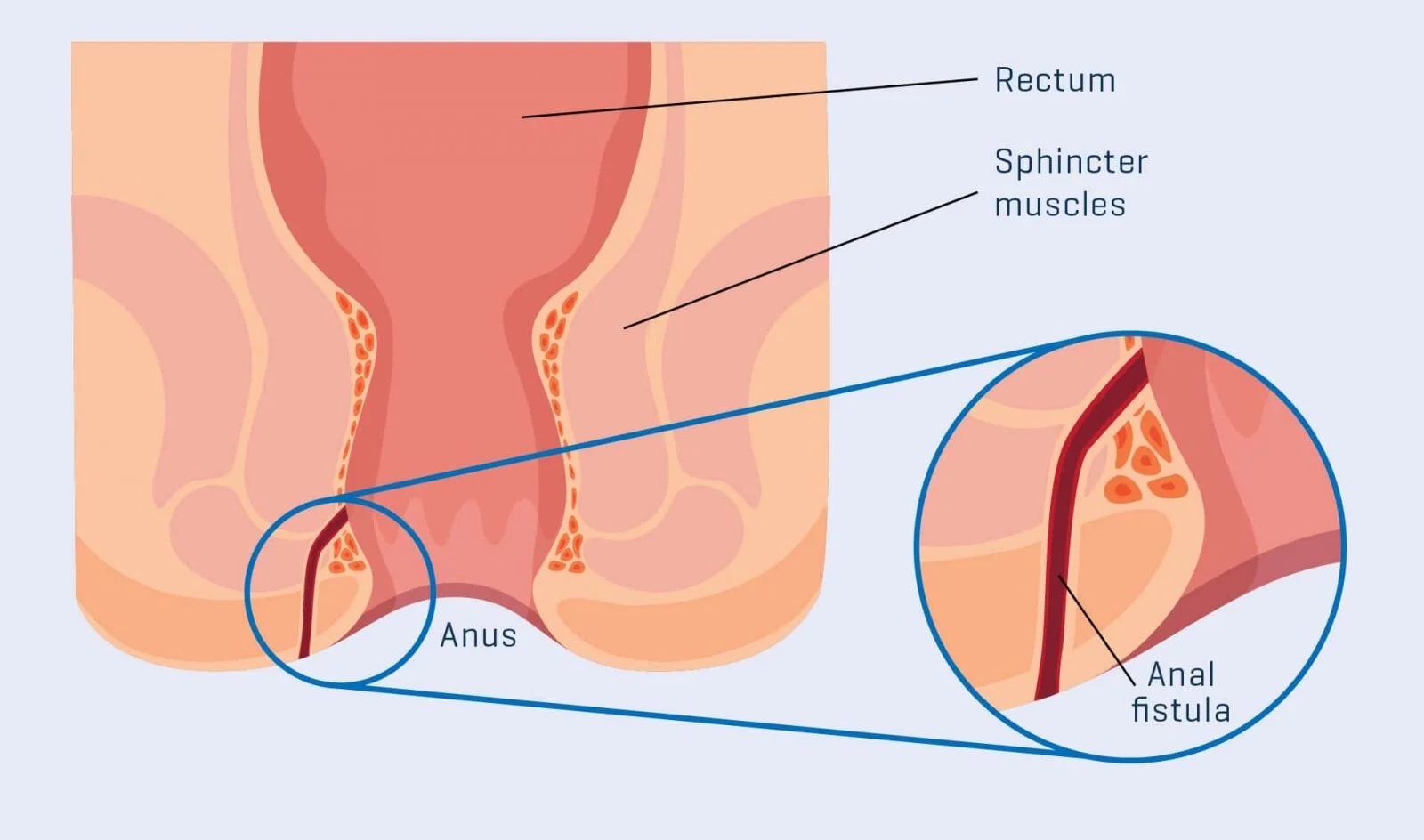
Fistula in ano, commonly known as anal fistula, is a chronic and often painful condition affecting the area around the anus. It usually develops as a result of a previous infection or abscess near the anus that fails to heal completely. While not life-threatening, an anal fistula can cause significant discomfort, repeated infections, and discharge if left untreated. Modern medical and surgical treatments can provide effective and lasting relief.
This article explains everything a patient needs to know about fistula in ano, including causes, symptoms, diagnosis, treatment options, recovery, and prevention.
What Is Fistula in Ano?
A fistula in ano is an abnormal tunnel-like connection between the inner lining of the anal canal and the skin around the anus. It allows pus or fluid to drain from inside the anal canal to the outer skin, leading to persistent discharge and irritation.
Causes of Fistula in Ano
The most common cause is an anal abscess. When an abscess drains or is surgically treated but does not heal properly, a fistula may form.
Other causes include:
- Recurrent anal infections
- Crohn's disease
- Tuberculosis
- Trauma or injury to the anal region
- Previous anal surgery
- Radiation therapy (rare)
Symptoms of Anal Fistula
Common symptoms include:
- Persistent discharge of pus or fluid near the anus
- Recurrent pain or swelling around the anal area
- Redness and irritation of surrounding skin
- Bleeding
- Fever during active infection
- Pain during bowel movements
- Foul-smelling discharge
Symptoms may improve temporarily but often recur.
Types of Fistula in Ano
Fistulas are classified based on their relationship to the anal sphincter muscles:
- Intersphincteric fistula – most common
- Transsphincteric fistula
- Suprasphincteric fistula
- Extrasphincteric fistula
The type of fistula determines the best treatment approach.
Diagnosis of Fistula in Ano
Diagnosis is usually based on:
- Medical history and physical examination
- Digital rectal examination
- Proctoscopy
- MRI fistulogram (gold standard for complex fistulas)
- Endoanal ultrasound (in selected cases)
Accurate diagnosis helps plan safe and effective treatment.
Treatment Options for Fistula in Ano
Anal fistulas rarely heal on their own and usually require surgical treatment. The goal is to cure the fistula while preserving continence.
1. Conservative Management
Antibiotics may temporarily reduce infection but do not cure fistulas. Surgery is generally required.
2. Surgical Treatment Options
a. Fistulotomy
- The fistula tract is opened and allowed to heal
- Suitable for simple, low fistulas
- High success rate
b. Fistulectomy
- Complete removal of the fistula tract
- Slightly longer healing time
c. Seton Placement
- A surgical thread placed through the fistula
- Used for complex or high fistulas
- Protects sphincter muscles
d. LIFT Procedure (Ligation of Intersphincteric Fistula Tract)
- Modern sphincter-saving technique
- Suitable for complex fistulas
e. Laser Treatment for Fistula (FiLaC)
- Minimally invasive
- Less pain and faster recovery
- No cutting of sphincter muscles
Recovery After Fistula Surgery
Recovery depends on the type of procedure:
- Mild pain for a few days
- Regular dressing and wound care
- Sitz baths for comfort
- High-fiber diet and hydration
- Return to normal activities in 1–2 weeks
- Complete healing may take a few weeks to months
Possible Complications
Although treatment is generally safe, potential risks include:
- Recurrence of fistula
- Infection
- Delayed wound healing
- Rarely, bowel control issues
Choosing an experienced colorectal surgeon minimizes these risks.
Prevention of Fistula in Ano
While not all fistulas can be prevented, risk can be reduced by:
- Early treatment of anal abscess
- Maintaining good anal hygiene
- Preventing constipation
- Managing underlying conditions like Crohn's disease
- Seeking medical care for persistent anal pain or discharge
When to See a Doctor
Contact Us if you experience:
- Recurrent anal pain or swelling
- Persistent discharge near the anus
- Fever with anal symptoms
- Non-healing wounds in the anal area
Early diagnosis leads to better outcomes.