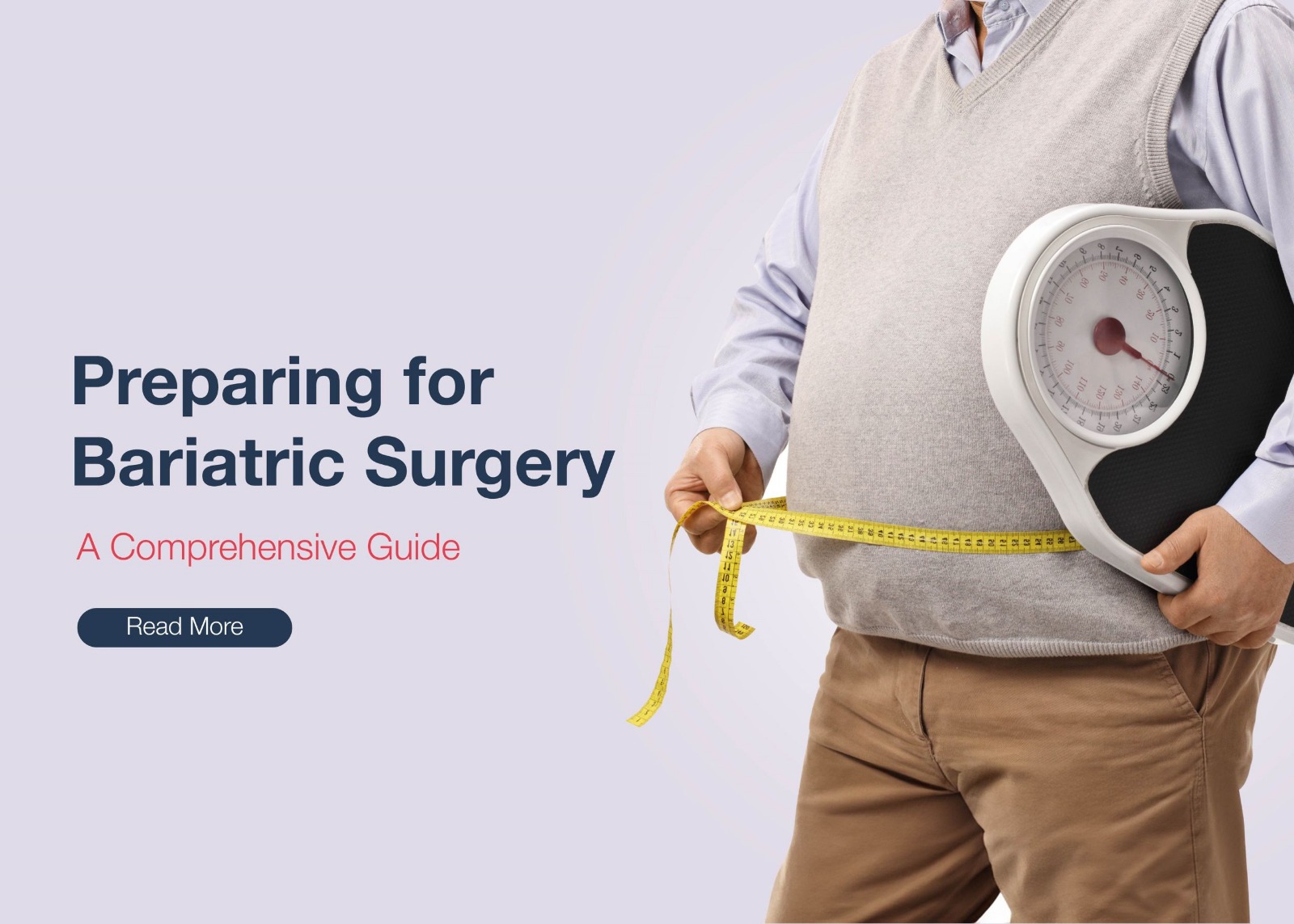
Bariatric surgery is a life-changing procedure designed to help people with severe obesity achieve significant and sustained weight loss. While surgery alters the digestive system to limit food intake or absorption, it is not a standalone solution. Long-term success after bariatric surgery depends heavily on healthy dietary habits and regular physical activity. Diet and exercise play a crucial role both before and after bariatric surgery, ensuring safe weight loss, faster recovery, and lasting health benefits.
This article explains why diet and exercise are essential in bariatric surgery and how patients can incorporate them into their lifestyle.
Understanding Bariatric Surgery
Bariatric surgery includes procedures such as:
- Sleeve Gastrectomy
- Gastric Bypass
- Mini Gastric Bypass
- Adjustable Gastric Banding
These surgeries help with weight loss by reducing stomach size, limiting calorie intake, and improving metabolism. However, surgery is only a tool—patients must actively participate in lifestyle changes to achieve the best results.
Importance of Diet Before Bariatric Surgery
- Pre-Surgery Weight Loss: Many bariatric programs recommend a pre-operative diet, often a high-protein, low-calorie diet. This helps reduce liver size, make surgery safer and easier, and lower the risk of complications.
- Building Healthy Habits: Following a structured diet before surgery prepares patients mentally and physically for post-surgery eating patterns.
Post-Bariatric Surgery Diet: Why It Matters
After surgery, the stomach's capacity is significantly reduced, and digestion changes. A carefully planned diet is essential for healing and nutrition.
Phases of Post-Surgery Diet:
- Clear Liquids (First few days)
- Full Liquids and Protein Shakes
- Pureed Foods
- Soft Foods
- Solid Foods (Gradual reintroduction)
Key Dietary Principles After Bariatric Surgery
- High-Protein Intake: Protein is essential for healing, maintaining muscle mass, and promoting satiety. Patients are advised to consume 60–80 grams of protein daily.
- Small, Frequent Meals: With a smaller stomach, patients should eat 5–6 small meals per day with slow eating and thorough chewing.
- Avoid Sugars and Refined Carbohydrates: Sugary foods can cause weight regain and dumping syndrome.
- Adequate Hydration: Drink at least 1.5–2 liters of water daily and avoid fluids during meals.
- Vitamin and Mineral Supplementation: Lifelong supplements are essential, including multivitamins, calcium, vitamin D, iron, and vitamin B12.
Role of Exercise Before and After Bariatric Surgery
Starting physical activity before surgery improves heart and lung fitness, reduces surgical risks, and boosts motivation. Exercise after surgery enhances weight loss, prevents muscle loss, improves metabolism, and reduces weight regain risk.
Types of Exercises Recommended:
- Aerobic Exercise: Walking, cycling, swimming (150–300 minutes per week)
- Strength Training: Begin 4–6 weeks after surgery with light weights
- Flexibility and Balance: Yoga and stretching improve mobility
Mental and Behavioral Aspects
Counseling, support groups, and behavioral therapy help address emotional eating and improve long-term adherence to lifestyle changes.
Long-Term Lifestyle Commitment
Successful bariatric surgery requires lifelong commitment to healthy eating, regular exercise, medical follow-ups, and nutritional supplementation.
When to Seek Medical Advice
Contact Us if you experience difficulty tolerating foods, persistent vomiting, weakness, signs of nutritional deficiency, or sudden weight regain.