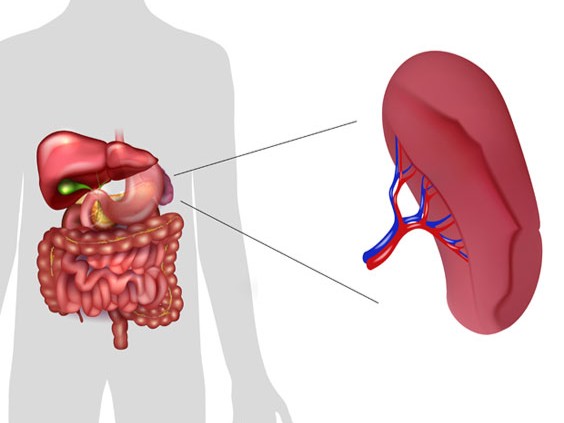
Laparoscopic Splenectomy, commonly known as Lap Splenectomy, is a minimally invasive surgical procedure to remove the spleen. The spleen plays an important role in filtering blood and supporting the immune system, but in certain medical conditions, removal of the spleen becomes necessary to improve a patient’s health. With advances in laparoscopic surgery, splenectomy can now be performed safely with less pain, faster recovery, and smaller scars compared to traditional open surgery.
This article provides a detailed overview of laparoscopic splenectomy, including indications, procedure, preparation, recovery, risks, and life after surgery.
What Is the Spleen and Why Is It Removed?
The spleen is an organ located in the upper left side of the abdomen, just below the rib cage. It helps filter old or damaged blood cells and plays a role in immune defense. However, certain conditions cause the spleen to become enlarged or overactive, leading to complications that require surgical removal.
Conditions Treated with Laparoscopic Splenectomy
Lap splenectomy may be recommended for:
- Immune thrombocytopenic purpura (ITP)
- Hemolytic anemia
- Hereditary spherocytosis
- Thalassemia (selected cases)
- Enlarged spleen (splenomegaly)
- Splenic cysts or tumors
- Splenic abscess
- Trauma to the spleen (selected stable cases)
- Hypersplenism
Your doctor will evaluate whether laparoscopic surgery is suitable based on spleen size and overall health.
Benefits of Laparoscopic Splenectomy
Compared to open surgery, laparoscopic splenectomy offers many advantages:
- Small incisions and minimal scarring
- Less postoperative pain
- Reduced blood loss
- Lower risk of infection
- Shorter hospital stay (2–4 days)
- Faster recovery and return to normal activities
- Better cosmetic results
Preparation Before Surgery
Proper preparation is essential for a safe procedure. Before lap splenectomy, patients may require:
- Blood tests and imaging studies (ultrasound, CT scan)
- Pre-anesthesia evaluation
- Vaccinations against certain infections (e.g., pneumococcal, meningococcal, Haemophilus influenzae)
- Temporary discontinuation of certain medications
- Fasting for 6–8 hours before surgery
Your doctor will guide you through all necessary preparations.
What Happens During Lap Splenectomy?
Laparoscopic splenectomy is performed under general anesthesia. The procedure usually involves:
- Making 3–4 small incisions in the abdomen.
- Inflating the abdomen with carbon dioxide gas for better visualization.
- Inserting a laparoscope and surgical instruments.
- Carefully detaching blood vessels supplying the spleen.
- Placing the spleen in a special retrieval bag and removing it.
- Closing the incisions with sutures or surgical glue.
The surgery typically lasts 1–3 hours, depending on complexity.
Recovery After Laparoscopic Splenectomy
Recovery is usually quicker than open surgery. Patients can expect:
- Mild abdominal pain or shoulder discomfort for a few days
- Early mobilization within 24 hours
- Gradual return to normal diet
- Hospital discharge within 2–4 days
- Return to daily activities in 2–3 weeks
Heavy lifting should be avoided for a few weeks.
Possible Risks and Complications
Although lap splenectomy is safe, potential risks include:
- Bleeding
- Infection
- Injury to nearby organs
- Blood clots
- Conversion to open surgery (rare)
- Increased risk of infections after spleen removal
Vaccinations and preventive care significantly reduce long-term risks.
Life After Splenectomy
Living without a spleen is generally safe, but patients need to take extra precautions:
- Stay updated with recommended vaccinations
- Seek early medical care for fever or infections
- Carry medical identification indicating splenectomy
- Follow long-term medical advice as prescribed
Most patients lead normal, healthy lives after recovery.
When to Consult a Doctor
Seek immediate medical attention if you experience:
- Persistent fever
- Severe abdominal pain
- Excessive bleeding
- Redness or discharge from incisions
- Signs of infection