Gall Bladder and Common Bile Duct (CBD) surgery is performed to treat conditions affecting the bile system, which plays an important role in digestion. Problems in the gall bladder or bile ducts can cause pain, infection, jaundice, and serious complications if left untreated. With modern surgical techniques, especially laparoscopic surgery, treatment has become safer, less painful, and more effective.
This article explains everything a patient needs to know about gall bladder and CBD surgery, including causes, symptoms, procedures, preparation, recovery, risks, and life after surgery.
Understanding the Gall Bladder and CBD
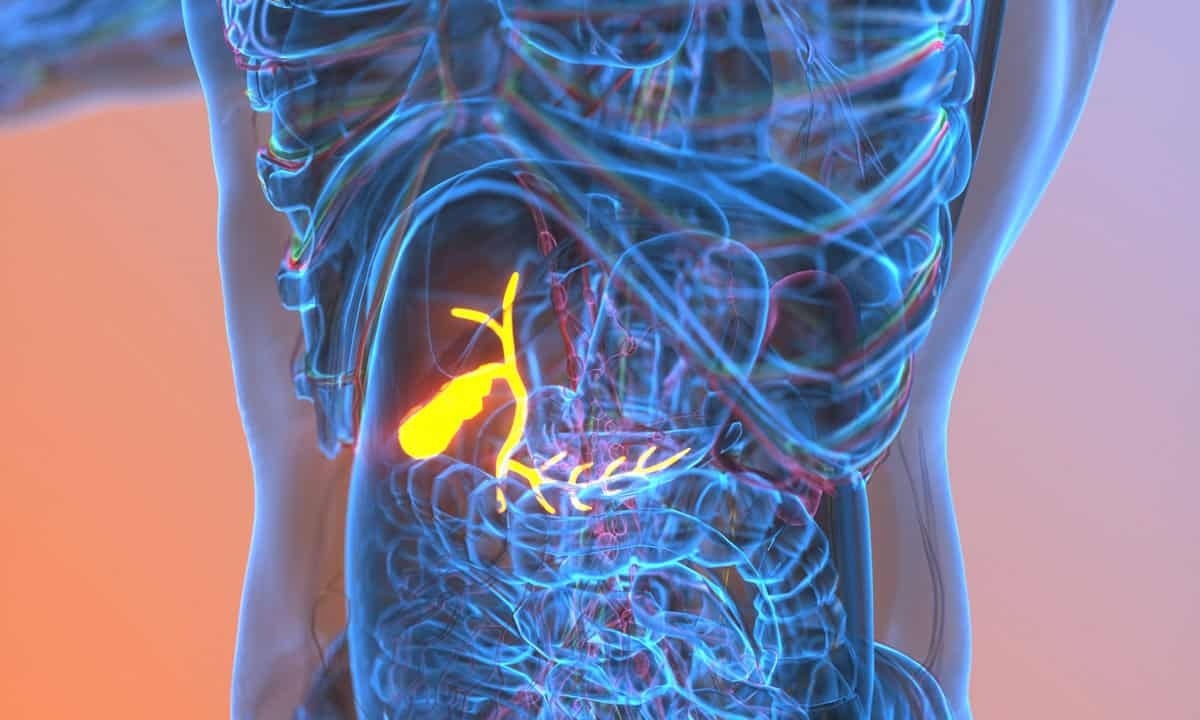
The gall bladder is a small, pear-shaped organ located under the liver. Its main function is to store bile, a digestive fluid produced by the liver that helps digest fats.
The Common Bile Duct (CBD) is a tube that carries bile from the liver and gall bladder to the small intestine. Any blockage or disease in this system can disturb digestion and lead to serious health problems.
Common Conditions Requiring Gall Bladder & CBD Surgery
Gall bladder and CBD surgery is usually recommended for the following conditions:
Gall Bladder Conditions
- Gallstones (Cholelithiasis)
- Acute or chronic cholecystitis (gall bladder inflammation)
- Gall bladder infection
- Gall bladder polyps
- Porcelain gall bladder
- Gall bladder cancer (selected cases)
CBD Conditions
- CBD stones (Choledocholithiasis)
- Bile duct obstruction
- Cholangitis (infection of bile ducts)
- Bile duct strictures
- Pancreatitis caused by gallstones
- Tumors of bile ducts or pancreas
Early treatment helps prevent complications such as severe infection, liver damage, or pancreatitis.
Symptoms of Gall Bladder and CBD Problems
Patients may experience:
- Pain in the upper right or middle abdomen
- Pain radiating to the back or right shoulder
- Nausea and vomiting
- Fever and chills
- Yellowing of skin and eyes (jaundice)
- Dark urine and pale stools
- Indigestion and bloating
- Loss of appetite
If these symptoms occur, medical evaluation is essential.
Types of Gall Bladder & CBD Surgery
1. Laparoscopic Cholecystectomy (Gall Bladder Removal)
This is the most common procedure for gall bladder diseases. The gall bladder is removed using small incisions and a camera. It is safe, effective, and has a quick recovery time.
2. Open Cholecystectomy
Performed when laparoscopic surgery is not possible due to severe infection, scarring, or complications.
3. CBD Exploration
This surgery removes stones from the common bile duct. It may be done laparoscopically or through open surgery.
4. ERCP (Endoscopic Procedure)
In some cases, CBD stones are removed using ERCP before or after surgery without making incisions.
5. Complex Biliary Surgery
Performed for bile duct strictures, injuries, or cancers, often in specialized centers.
Benefits of Laparoscopic Gall Bladder & CBD Surgery
Modern laparoscopic surgery offers several advantages:
- Minimal pain and discomfort
- Smaller scars
- Reduced risk of infection
- Short hospital stay (1–3 days)
- Faster recovery
- Early return to normal activities
- Better cosmetic results
Most patients can resume routine activities within 1–2 weeks.
Pre-Surgery Preparation
Before surgery, patients may need:
- Blood tests and liver function tests
- Ultrasound, MRCP, or CT scan
- ECG and chest X-ray
- Anesthesia evaluation
- Fasting for 6–8 hours before surgery
- Stopping certain medications (as advised by the doctor)
Proper preparation reduces surgical risks and ensures a smooth recovery.
What Happens During Surgery?
Gall bladder and CBD surgery is performed under general anesthesia. During laparoscopic surgery:
- Small incisions are made in the abdomen.
- The abdomen is inflated with gas for better visibility.
- A camera and instruments are inserted.
- Complete gall bladder is removed alongwith its stones. or CBD stones are removed by ERCP or laparoscopically.
- Incisions are closed with sutures or staples.
The surgery usually takes 45 minutes to 2 hours, depending on complexity.
Recovery After Gall Bladder & CBD Surgery
After surgery, patients can expect:
- Mild pain or shoulder discomfort for a days
- Early walking within 24 hours
- Gradual return to normal diet
- Hospital discharge within Next days
- Full recovery within less than a week
Patients are advised to follow a low-fat diet initially and gradually return to normal eating habits.
Possible Risks and Complications
Although generally safe, risks may include:
- Bleeding
- Infection
- Bile leakage
- Injury to bile ducts or nearby organs
- Blood clots
- Conversion to open surgery (rare)
These risks are minimized when surgery is performed by an experienced surgeon.
Life After Gall Bladder Surgery
The body can function normally without a gall bladder. Bile flows directly from the liver to the intestine. Most patients experience:
- Relief from pain and digestive symptoms
- Improved quality of life
- No long-term dietary restrictions (after initial recovery)
Maintaining a healthy lifestyle and balanced diet is recommended.
When to Consult a Doctor After Surgery
Contact Us if you experience:
- Persistent fever
- Severe abdominal pain
- Yellowing of eyes or skin
- Vomiting or inability to eat
- Redness or discharge from surgical wounds
Early attention prevents complications.