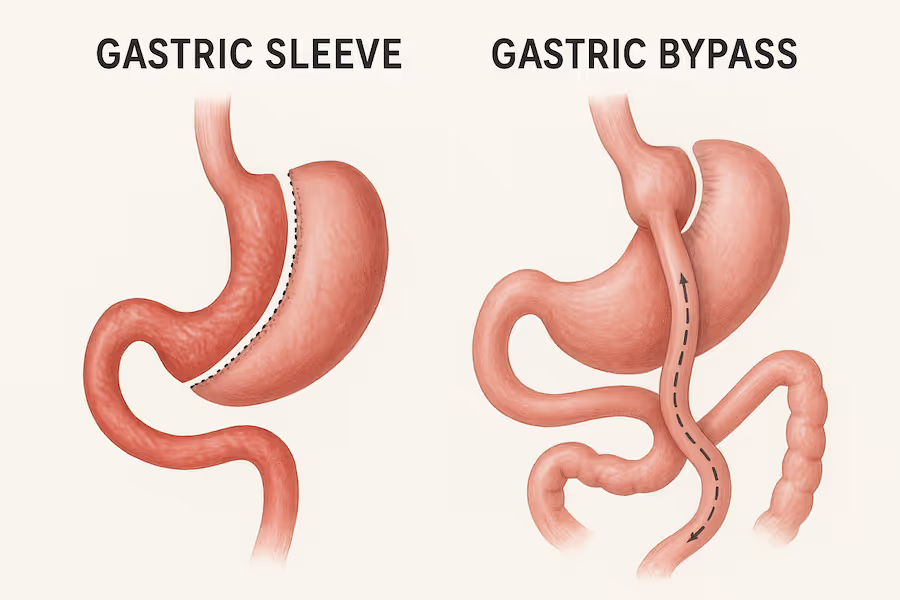
Sleeve gastrectomy, also known as gastric sleeve surgery, is one of the most commonly performed bariatric (weight-loss) surgeries worldwide. It is a safe and effective procedure designed to help individuals with severe obesity lose weight and improve obesity-related health conditions. By reducing the size of the stomach, sleeve gastrectomy helps patients eat less, feel full sooner, and achieve long-term weight loss.
This article explains everything a patient needs to know about sleeve gastrectomy, including indications, procedure details, benefits, recovery, risks, and life after surgery.
What Is Sleeve Gastrectomy?
Sleeve gastrectomy is a laparoscopic weight-loss surgery in which about 70–80% of the stomach is permanently removed, leaving behind a narrow, tube-shaped stomach (sleeve). This smaller stomach holds much less food and produces lower levels of hunger hormones, especially ghrelin, which helps reduce appetite.
Who Is a Candidate for Sleeve Gastrectomy?
Sleeve gastrectomy may be recommended for individuals who:
- Have a Body Mass Index (BMI) of 40 or higher
- Have a BMI of 35 or higher with obesity-related conditions, such as:
- Type 2 diabetes
- High blood pressure
- Sleep apnea
- Joint problems
- Have failed to achieve sustained weight loss with diet and exercise
- Are medically and psychologically fit for surgery
Benefits of Sleeve Gastrectomy
Sleeve gastrectomy offers several benefits, including:
- Significant and sustained weight loss
- Reduced appetite and hunger
- Improvement or resolution of obesity-related diseases
- No intestinal bypass or foreign body
- Shorter operative time compared to some other bariatric procedures
- Improved quality of life and mobility
How Does Sleeve Gastrectomy Work?
Sleeve gastrectomy promotes weight loss through two main mechanisms:
- Restriction: The smaller stomach limits food intake.
- Hormonal changes: Reduced ghrelin levels decrease hunger and cravings.
Unlike gastric bypass, sleeve gastrectomy does not alter nutrient absorption, making it simpler and effective.
Preparation Before Surgery
Before undergoing sleeve gastrectomy, patients typically undergo:
- Comprehensive medical evaluation
- Blood tests and imaging studies
- Nutritional and psychological counseling
- Pre-operative weight-loss diet
- Anesthesia assessment
Patients are advised to stop smoking and follow a liquid or low-calorie diet before surgery.
The Sleeve Gastrectomy Procedure
The surgery is performed using a laparoscopic (keyhole) approach under general anesthesia.
Steps of the Procedure:
- Small incisions are made in the abdomen.
- A laparoscope and surgical instruments are inserted.
- Approximately 70–80% of the stomach is removed.
- The remaining stomach is stapled into a sleeve shape.
- The incisions are closed.
The surgery typically takes 60–90 minutes.
Recovery After Sleeve Gastrectomy
Recovery is usually smooth and involves:
- Hospital stay of 1–2 days
- Early walking on the day of surgery
- Gradual progression from liquids to solid foods
- Return to normal activities within 2–3 weeks
Patients are closely monitored during the recovery period.
Diet After Sleeve Gastrectomy
Post-surgery diet is critical for success and usually includes:
- Liquid Diet: First 1–2 weeks
- Pureed Foods: Next 1–2 weeks
- Soft Foods: Gradual transition
- Solid Foods: Long-term healthy eating
High-protein, low-sugar, low-fat foods are recommended.
Expected Weight Loss
Most patients lose 60–70% of excess body weight within 12–18 months after surgery. Long-term success depends on adherence to dietary guidelines, physical activity, and regular follow-ups.
Possible Risks and Complications
Sleeve gastrectomy is generally safe, but possible risks include:
- Bleeding
- Infection
- Staple line leak
- Acid reflux
- Nutritional deficiencies (less common)
- Blood clots
Choosing an experienced bariatric surgeon reduces these risks.
Life After Sleeve Gastrectomy
Life after surgery involves a lifelong commitment to:
- Healthy eating habits
- Regular physical activity
- Vitamin and mineral supplementation
- Medical follow-ups
Most patients report improved energy levels, mobility, and confidence.
When to See a Doctor
Contact us if you experience:
- Persistent vomiting
- Severe abdominal pain
- Fever
- Signs of dehydration
- Difficulty eating or drinking