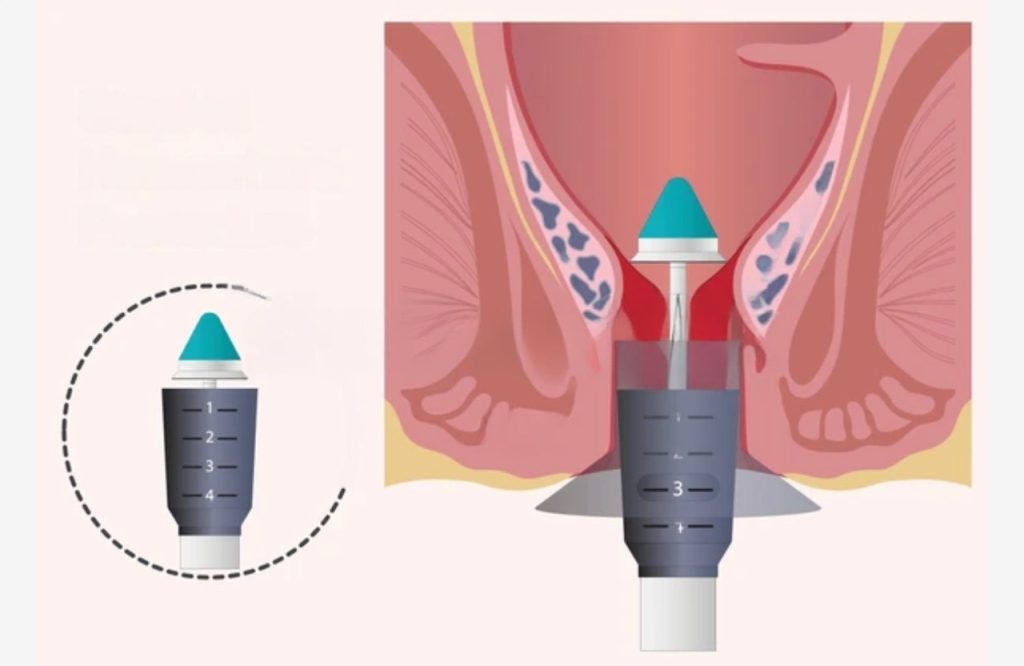
Hemorrhoids, commonly known as piles, are swollen veins in the lower rectum or anus that can cause pain, bleeding, itching, and discomfort during bowel movements. When conservative treatments fail and piles become advanced, surgical intervention may be required. MIPH (Minimally Invasive Procedure for Hemorrhoids), also known as PPH (Procedure for Prolapse and Hemorrhoids) or Stapler Hemorrhoidopexy, is a modern and effective surgical option for treating advanced piles.
This article explains everything a patient needs to know about MIPH/PPH/Stapler surgery, including indications, procedure details, benefits, recovery, risks, and outcomes.
What Is MIPH / PPH / Stapler Surgery?
MIPH or PPH is a minimally invasive surgical technique used to treat Grade III and Grade IV hemorrhoids, especially those with prolapse (piles that come out during bowel movements).
Unlike traditional hemorrhoid surgery, stapler surgery:
- Does not remove the piles directly
- Reduces blood flow to the hemorrhoids
- Pulls prolapsed tissue back to its normal position
A special circular stapling device is used to reposition the hemorrhoidal tissue and cut off excess blood supply.
Who Needs Stapler Surgery for Piles?
MIPH/PPH is recommended for patients with:
- Grade III hemorrhoids (require manual reduction)
- Grade IV hemorrhoids (permanently prolapsed)
- Circumferential prolapsing piles
- Failed medical or non-surgical treatments
- Significant bleeding or discomfort affecting daily life
It is not suitable for external hemorrhoids or associated anal fissures in most cases.
Grades of Hemorrhoids (Quick Overview)
- Grade I: Bleeding only, no prolapse
- Grade II: Prolapse during straining, reduce spontaneously
- Grade III: Prolapse, need manual reduction
- Grade IV: Permanently prolapsed
Stapler surgery is ideal for Grade III and IV piles.
How Is MIPH / PPH Surgery Performed?
Before Surgery
- Preoperative evaluation and tests
- Bowel preparation if advised
- Surgery performed under spinal or general anesthesia
During Surgery
- A circular stapler is introduced into the anal canal
- Excess prolapsed tissue is removed from inside the rectum
- The stapler simultaneously cuts and staples the tissue
- Blood flow to piles is reduced
- Hemorrhoids shrink and reposition naturally
The procedure usually takes 30–45 minutes.
Benefits of Stapler Surgery (MIPH / PPH)
Compared to traditional open surgery, stapler surgery offers:
- Minimal postoperative pain
- No external wounds
- Less bleeding
- Short hospital stay (often same-day discharge)
- Faster recovery
- Early return to work
- Preservation of anal sphincter muscles
Recovery After MIPH / PPH Surgery
Recovery is generally quick and smooth:
- Mild discomfort for a few days
- Minimal need for pain medication
- Return to normal activities within 3–7 days
- Normal bowel movements resume quickly
- High-fiber diet and adequate hydration recommended
Most patients resume work within a week.
Postoperative Care and Lifestyle Advice
- Eat a high-fiber diet (fruits, vegetables, whole grains)
- Drink plenty of water
- Avoid constipation and straining
- Use stool softeners if advised
- Maintain good anal hygiene
- Avoid heavy lifting initially
Possible Risks and Complications
Stapler surgery is safe when performed by experienced surgeons, but possible risks include:
- Mild bleeding
- Temporary pain or discomfort
- Urinary retention (temporary)
- Rare recurrence of piles
- Very rarely, infection or narrowing of the rectum
Serious complications are uncommon.
Stapler Surgery vs Traditional Hemorrhoidectomy
| Feature | Stapler Surgery | Traditional Surgery |
|---|---|---|
| Pain | Minimal | More |
| Recovery | Fast | Slower |
| Hospital stay | Short | Longer |
| External wound | No | Yes |
| Return to work | Early | Delayed |
Success Rate of MIPH / PPH Surgery
High patient satisfaction
Excellent symptom relief
Low recurrence rates when lifestyle changes are followed
Best outcomes in properly selected patients
When to Consult a Doctor
Consult Us if you experience:
- Persistent bleeding per rectum
- Prolapse of piles
- Severe pain or discomfort
- Failed medical treatment
- Recurrent hemorrhoids
Early consultation ensures timely and effective treatment.