How do specialists actually decide the right treatment for obesity- and why isn’t “diet & exercise” 🥗🤸🏽♀️enough anymore?
Most people think obesity treatment starts and ends with lifestyle changes.
The truth is far more complex - and much more medical.
Let's discover 5 such truths today!
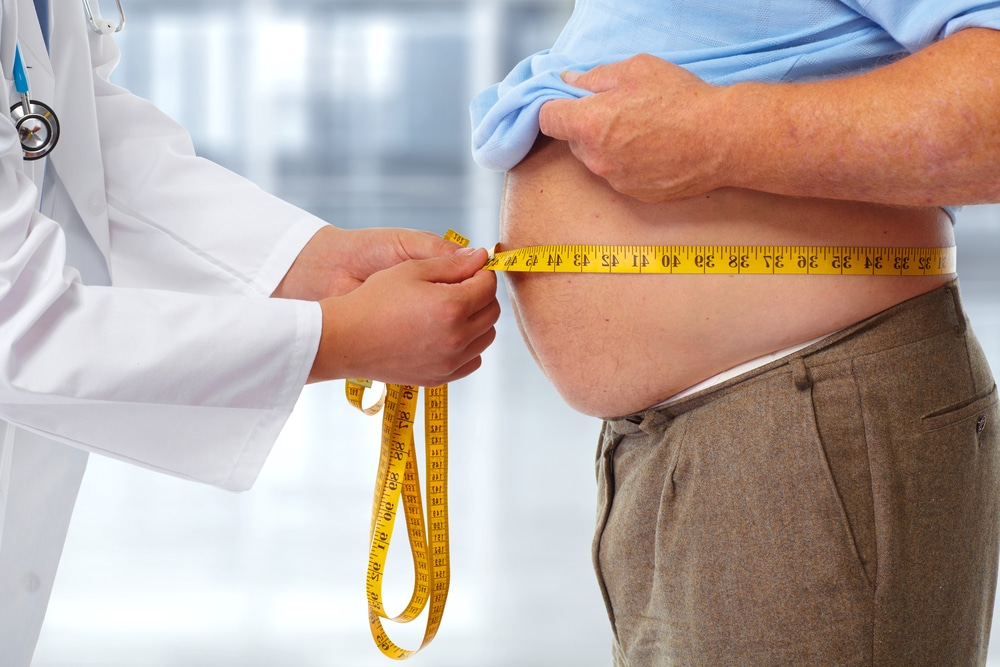
With growing evidence, global bodies (WHO, AMA, and now The Lancet Commission, 2025) classify obesity as a chronic clinical disease, not a matter of willpower.
Their latest update challenges the traditional BMI-based diagnosis and urges a more scientific, personalised approach.
So what does obesity care actually look like today?
⚖️1. It begins with staging — not assumptions.
We first assess whether a person has any other complications (like sleep apnea, diabetes, fatty liver, knee arthritis) or already has organ-level changes.
- No complications → goal is to prevent long-term metabolic damage.
- Complications present → goal is to protect organs, not just reduce weight.
This is why two people with the same BMI may require completely different treatments.
🧏♂️2. Lifestyle therapy is essential — but it’s just the foundation.
Nutrition, movement and behaviour change matter.
But for many individuals, biology, hormones, genetics, and chronic inflammation make lifestyle alone insufficient.
This is where structured medical therapy is added — the same way we treat diabetes, hypertension or heart disease.
💊3. Medications are chosen based on biology — not trends like Ozempic.
People living with severe obesity may have limited exposure to accurate information regarding efficacy vs risk and the benefit to weight-related health conditions associated with OMMs and MBS
And this is precisely why shortcuts like Ozempic are not prescribed blindly - each agent works differently at different doses, and Semaglutide was originally developed for diabetes, not universal weight loss.
Medication choice must always follow a careful clinical assessment.
🔎4. Treatment is monitored closely - and adjusted.
If a medication is effective and well-tolerated, we continue.
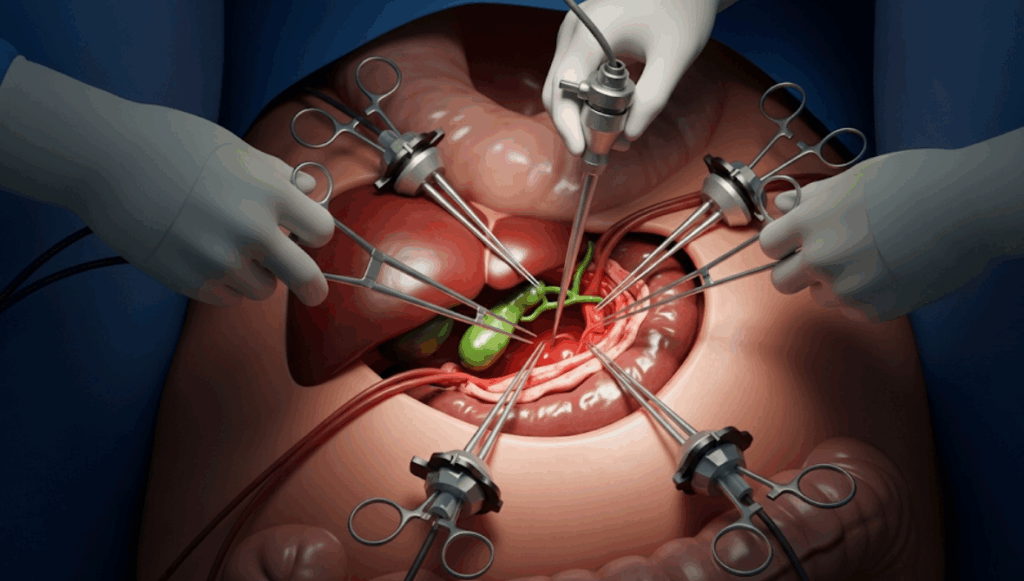
If not, we modify the plan or consider bariatric surgery where appropriate.
Obesity management is stepwise, personalised and supervised — not trial-and-error.
⏲️5. And the goals are far bigger than the number on the scale.
Success is measured through real health outcomes:
- Diabetes remission
- Sleep apnea resolution
- Reduced liver inflammation
- Lower cardiovascular risk
- Improved mobility and joint health
- Better quality of life
👉 Weight is just one marker - never the full story.
🤔 Tell me which one you’re curious about - What part of this pathway changed how you see obesity?